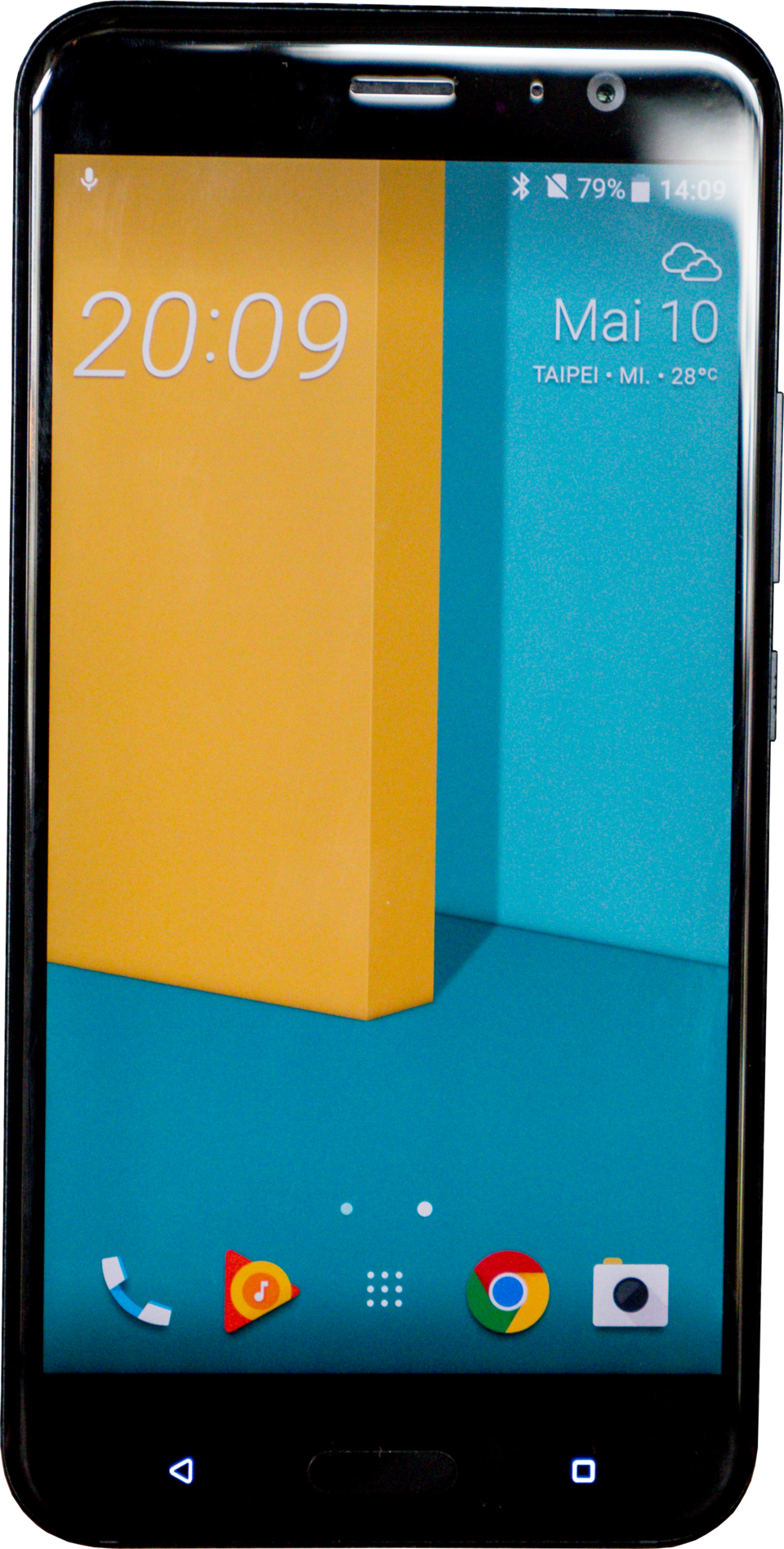
2 de noviembre de 2017. Un U11 ampliado con Super LCD6 QHD+ 18:9 de 6,0": el primer HTC «sin marcos», batería de 3930 mAh, lector de huellas trasladado a la trasera, Snapdragon 835, 4/6 GB, 64/128 GB + microSD, UltraPixel 3 de 12 MP con OIS + frontal de 8 MP, Edge Sense, IP68, BoomSound Hi-Fi y USonic. Se desarrolló originalmente como el Google Pixel 2 XL (nombre en clave muskie), pero Google eligió la versión de LG. Su rasgo distintivo es la trasera semitransparente Translucent Black que deja ver el interior. No se vendió en EE. UU. Android 8.0 → 9.0.
Especificaciones
| SO | Android 8.0 → 9.0 + HTC Sense 9 → 10 |
|---|---|
| Procesador | Qualcomm Snapdragon 835, 8 núcleos |
| RAM | 4 / 6 GB |
| Memoria | 64 / 128 GB + microSD |
| Pantalla | 6,0" 2880×1440 Super LCD6 18:9, Gorilla Glass 5 |
| Cámara | 12 MP UltraPixel 3 OIS + 8 MP |
| Características | Edge Sense, IP68, Translucent Black |
| Sonido | BoomSound Hi-Fi, USonic, sin 3,5 mm |
| Biometría | lector de huellas trasero |
| Batería | 3930 mAh, QC 3.0 |
| Dimensiones | 158,5×74,9×8,5 mm, 188 g |
| Nombre en clave | Ocean Master / muskie |
Datos de Wikipedia (en)
| Fabricante | HTC |
|---|---|
| Serie | HTC U |
| Lanzamiento | U11: 2017-06; U11+: 2017-11 |
| Tipo | Smartphone |
| SO | U11: Android 7.1 "Nougat" with HTC Sense 9.0; Android 8.0 "Oreo" with HTC Sense 9.0 (without Treble); Android 9.0 "Pie"; U11+: Android 8.0 "Oreo" (with Treble); Android 9 "Pie" |
| SoC | Qualcomm Snapdragon 835 |
| Procesador | Octa-core (4× & 4×) Kryo |
| GPU | Adreno 540 |
| RAM | 4 or LPDDR4X RAM |
| Almacenamiento | 64 or |
| Tarjeta de memoria | microSD up to |
| Pantalla | U11: Super LCD5 capacitive touchscreen with Corning Gorilla Glass 5, 2560×1440 resolution (~534 ppi pixel density); U11+: Super LCD6 capacitive touchscreen with Corning Gorilla Glass 5, 2880×1440 resolution (~538 ppi pixel density) |
| Cámara trasera | 12 MP (), f/1.7, OIS, UltraSpeed autofocus, dual-LED (dual tone) flash, geo-tagging, touch focus, face detection, auto-HDR, panorama |
| Cámara frontal | U11: , 1080p, auto-HDR; U11+: , 1080p, auto-HDR |
| Sonido | HTC BoomSound Hi-Fi edition speakers; HTC USonic with Active Noise Cancellation; 3D Audio recording with 4 microphones; Hi-Res audio stereo recording; Hi-Res audio certified |
| Conectividad | Wi-Fi: 802.11 a/b/g/n/ac, dual-band, Wi-Fi Direct, DLNA, hotspot; Bluetooth: v4.2, A2DP, LE; GPS: Yes, with A-GPS, GLONASS, BDS; NFC: Yes; USB: v3.1, Type-C 1.0 reversible connector (supports DisplayPort) |
| Entrada | Capacitive touch screen ; Edge Sense |
| Batería | U11: 3,000 mAh Li-ion; U11+: 3,930 mAh Li-ion |
| Dimensiones | U11: 153.9 mm H ; 75.9 mm W ; 7.9 mm D; U11+: 158.5 mm H ; 74.9 mm W ; 8.5 mm D |
| Peso | U11: 169 g; U11+: 188 g |
| Predecesor | HTC 10 |
| Sucesor | HTC U12+ |
| Relacionados | HTC U Play, HTC U Ultra |
| Otros | U11: IP67 protection; U11+: IP68 protection |
Wikipedia (en)
The HTC U11 is an Android smartphone manufactured and sold by HTC as part of the HTC U series. It was announced on 16 May 2017 and succeeds the HTC 10 smartphone. In the United States, the HTC U11's major carrier is Sprint; however, it is also compatible with unlocked carriers, such as AT&T, T-Mobile, and Verizon.
Source: HTC U11 — Wikipedia (CC BY-SA 4.0)
Modelos relacionados
También en 2017
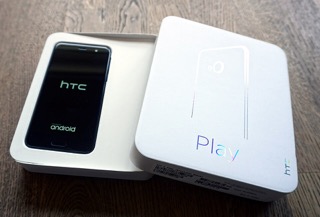 HTC U Play (Alpine)Serie U
 HTC U Ultra (Ocean Note)Serie U
 HTC U11 (Ocean)Serie UHTC U11 Life (Ocean Life)Serie U
Sección: Serie HTC U (2017–2024) · Catálogo de modelos: 2017