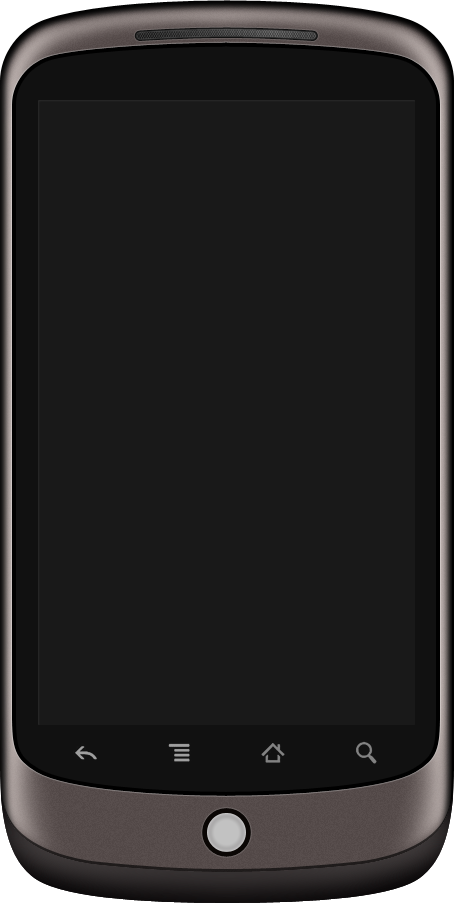
Das erste Google-Telefon, am 5. Januar 2010 vorgestellt und ausschließlich online für 529 $ (oder 179 $ mit T-Mobile) verkauft. Von Google und HTC entwickelt: 3,7" AMOLED mit 800×480 (PenTile), Snapdragon QSD8250 mit 1 GHz, 512 MB RAM, 512 MB ROM, 5 MP mit LED-Blitz, Trackball mit RGB-Beleuchtung, Geräuschunterdrückung, Spracheingabe in allen Feldern, Android 2.1 Eclair (das erste mit Live-Hintergründen) → 2.3.6 Gingerbread. Etwa 500.000 Stück verkauft – ein kommerzieller Misserfolg des Online-Modells, Google schloss den Shop im Juli 2010, doch das Telefon setzte den Standard für „reines Android“. Ab Sommer 2010 gab es eine Version mit Super LCD statt AMOLED (Engpass bei Samsung).
Technische Daten
| OS | Android 2.1 → 2.3.6 |
|---|---|
| Prozessor | Qualcomm Snapdragon QSD8250, 1 GHz |
| RAM | 512 MB |
| ROM | 512 MB, microSD |
| Display | 3,7" AMOLED / S-LCD 480×800 |
| Kamera | 5 MP AF, LED, 720×480-Video |
| Konnektivität | HSDPA 7,2, Wi-Fi n, Bluetooth 2.1, GPS, 3,5 mm |
| Akku | 1400 mAh |
| Abmessungen | 119×59,8×11,5 mm, 130 g |
| Codename | Passion |
Daten aus Wikipedia (en)
| Hersteller | HTC |
|---|---|
| Serie | Google Nexus |
| Codename | Passion |
| Veröffentlicht | 2010-01-05 [US, UK, Hong Kong] |
| Verfügbarkeit | Canada 2010-03-16 ; Singapore 2010-04-30 ; Germany 2010-05-25 ; Italy 2010-05-28 ; South Korea 2010-07-10 |
| Eingestellt | 2010-07-18 |
| Bauform | Slate |
| Betriebssystem | Original: Android 2.1 "Eclair"; Last: Android 2.3.6 "Gingerbread"; Unofficial: Android 3.0 "Honeycomb" |
| SoC | Qualcomm Snapdragon QSD8250 (Snapdragon S1) |
| Prozessor | Single-core 1 GHz Qualcomm Scorpion |
| GPU | Qualcomm Adreno 200 @ 128 MHz |
| RAM | 512 MB |
| Speicher | 512 MB (190 MB application storage) |
| Speicherkarte | microSDHC 4 GB Included (supports up to 32 GB) |
| Display | At launch: AMOLED ; Later: Super LCD ; 3.7 in diagonal PenTile ; 480×800 px 254 ppi ; (0.38 Megapixels) ; 3:5 aspect ratio WVGA ; 24-bit color ; 100,000:1 contrast ratio ; 1 ms response rate |
| Hauptkamera | 5.0-megapixel with 2X digital zoom, 2592×1944 max.; Autofocus ; LED flash ; 720×480 video at 20 FPS or higher |
| Konnektivität | 3.5 mm TRRS ; Bluetooth v2.1 + EDR with A2DP ; micro USB 2.0 ; Wi-Fi IEEE 802.11b/g/n |
| Netze | GSM/EDGE 850/900/1800/1900 MHz ; UMTS 850/1900/2100 MHz ; or UMTS 900/1700/2100 MHz ; HSDPA 7.2 Mbit/s ; HSUPA 2 Mbit/s ; GPRS Class 10 |
| Eingabe | Multi-touch capacitive touchscreen ; 3-axis accelerometer ; A-GPS ; Ambient light sensor ; Digital compass ; Proximity sensor ; Push buttons ; Trackball |
| Akku | 1400 mAh Rechargeable Li-ion (User replaceable) |
| Abmessungen | 119 mm H ; 59.8 mm W ; 11.5 mm D |
| Gewicht | 130 g [with battery] ; 100 g [without battery] |
| SAR | Head: 0.973 W/kg 1 g; Body: 1.1 W/kg 1 g; Hotspot: - |
| Vorgänger | HTC Dream |
| Nachfolger | Nexus S |
| Verwandt | HTC Desire |
Aus Wikipedia
Nexus One (PB99100) ist ein Smartphone, das am 5. Januar 2010 von Google der Öffentlichkeit vorgestellt wurde. Gebaut wurde das Gerät von der HTC Corporation. Es unterstützt neben Englisch und Deutsch vier weitere Sprachen vollständig. In Deutschland wurde es für kurze Zeit über Vodafone vertrieben, ist aber nicht mehr erhältlich. Außerdem wurde das Nexus One als drittes Android-Entwickler-Smartphone verkauft.
Quelle: Nexus One — Wikipedia (CC BY-SA 4.0)
Wikipedia (en)
The Nexus One is an Android-based smartphone designed and manufactured by HTC as Google's first Nexus smartphone. The Nexus became available on January 5, 2010, and features the ability to transcribe voice to text, an additional microphone for dynamic noise suppression, and voice-guided turn-by-turn navigation to drivers.
Source: Nexus One — Wikipedia (CC BY-SA 4.0)
Verwandte Modelle
Ebenfalls aus 2010
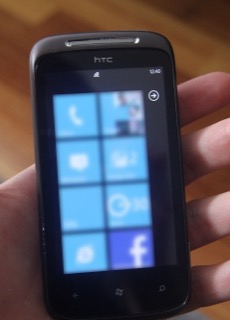 HTC 7 MozartWindows Phone
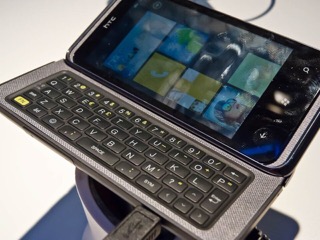 HTC 7 Pro / HTC Arrive (Sprint)Windows Phone
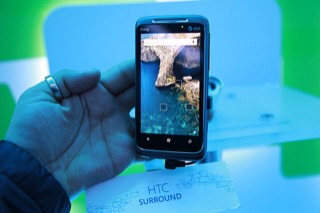 HTC 7 SurroundWindows Phone
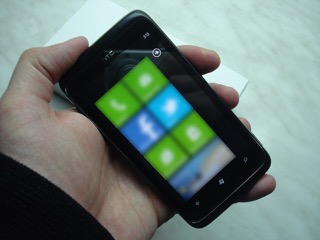 HTC 7 Trophy / Verizon TrophyWindows Phone
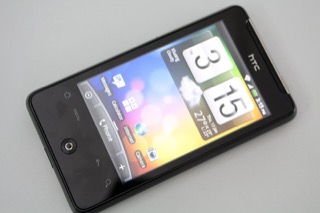 HTC Aria (Liberty) / HTC GratiaFrühes Android
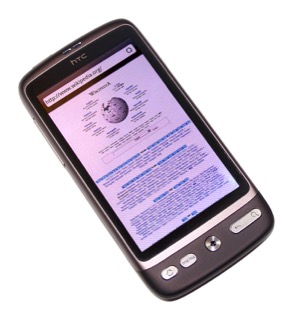 HTC Desire (Bravo)Desire-Serie
Bereich: Weitere Reihen und Modelle · Modellkatalog: 2010