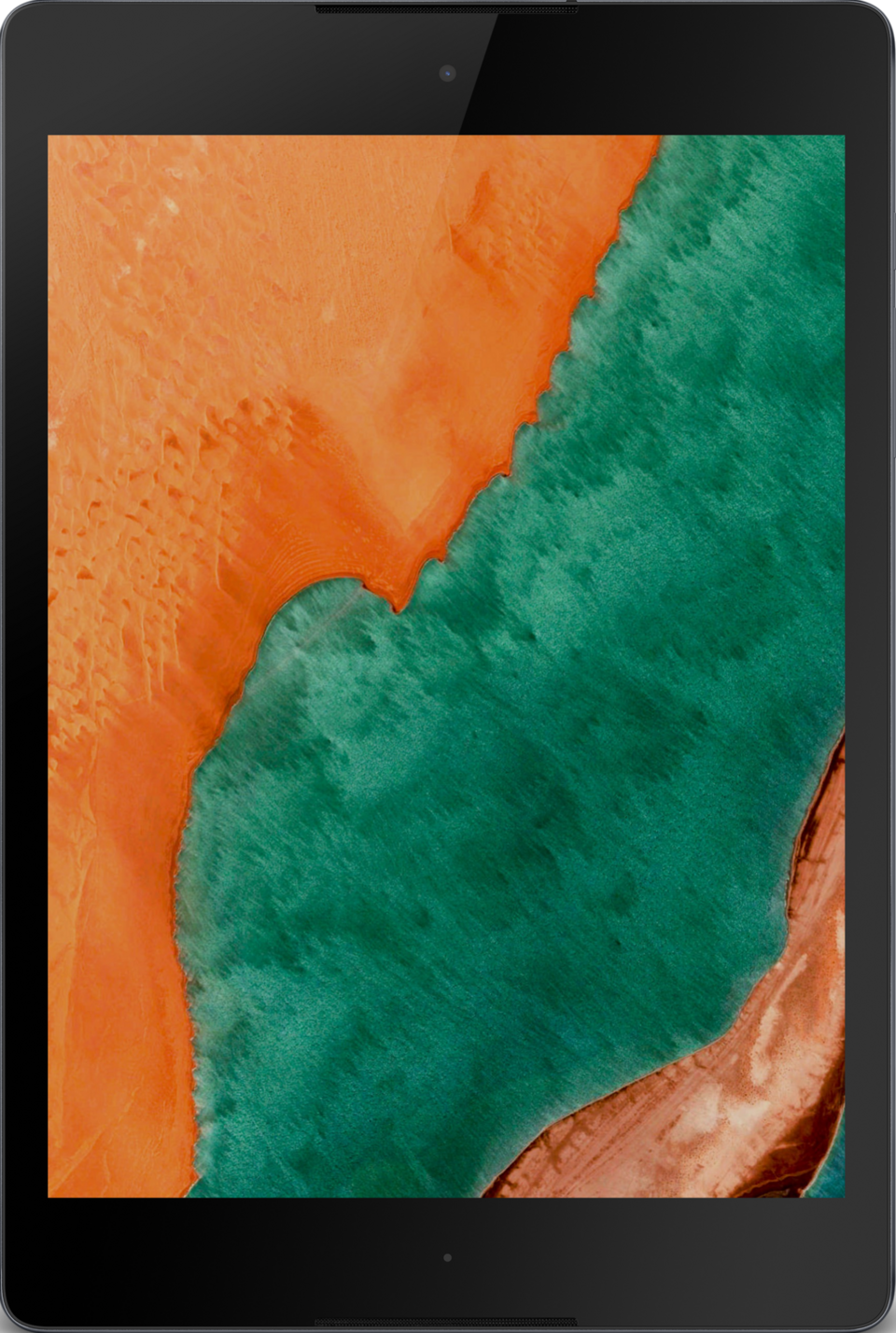
15. Oktober 2014 (Codename flounder, „volantis“). Das erste Tablet von HTC nach Flyer/Jetstream und das erste Gerät mit 64-Bit-Android 5.0 Lollipop. 8,9" IPS 2048×1536 (4:3), Nvidia Tegra K1 „Denver“ 64-Bit mit 2,3 GHz (2 Kerne), 2 GB RAM, 16/32 GB, 8 MP f/2.4 ohne OIS, 1,6-MP-Frontkamera, frontale BoomSound-Stereolautsprecher, Aluminiumrahmen, Soft-Touch-Kunststoff, 6700 mAh, LTE-Version. 399 $/479 $/599 $. Magnetische Hülle mit Tastatur Keyboard Folio. Kritik: Spiel der Rückabdeckung, schwache Optimierung des Tegra K1, ungleichmäßige Hintergrundbeleuchtung. Der Verkauf endete 2016.
Technische Daten
| OS | Android 5.0 → 7.1.1 |
|---|---|
| Prozessor | Nvidia Tegra K1 Denver, 2×2,3 GHz, 64-Bit, Kepler-GPU mit 192 Kernen |
| RAM | 2 GB |
| Speicher | 16 / 32 GB |
| Display | 8,9" 2048×1536 IPS, Gorilla Glass 3 |
| Kamera | 8 MP f/2.4 + 1,6 MP |
| Audio | BoomSound frontal |
| Akku | 6700 mAh |
| Abmessungen | 228,2×153,7×7,95 mm, 425 g (436 LTE) |
| Codename | flounder / volantis |
Daten aus Wikipedia (en)
| Hersteller | HTC |
|---|---|
| Eingestellt | 2016-05-26 |
| Typ | Tablet computer |
| Betriebssystem | Original: Android 5.0 "Lollipop"; Last: Android 7.1.2 "Nougat" |
| Prozessor | 2.3 GHz dual-core 64-bit Denver |
| RAM | 2 GB LPDDR3-1600 RAM |
| Speicher | 16 or 32 GB flash memory |
| Display | 8.9 in 4:3 aspect ratio, 281 ppi pixel density 2048×1536 QXGA backlit IPS LCD, scratch resistant Corning Gorilla Glass 3 capacitive touchscreen |
| Kamera | Rear: 8 MP with flash; HD (1080p) resolution ; Front: 1.6 MP; HD (720p) resolution |
| Audio | Dual front-facing speakers with HTC BoomSound |
| Konnektivität | 3.5 mm combo headphone/microphone jack, Bluetooth 4.1, Wi-Fi (802.11 b/g/n/ac @ 2.4 GHz & 5 GHz Dual-band) (MIMO+HT40), Quad-band GSM, CDMA, Penta-band HSPA, LTE, NFC, Micro-USB 2.0 |
| Eingabe | Multi-touch screen, accelerometer, gyroscope, GPS, magnetometer, dual microphone |
| Stromversorgung | Internal rechargeable non-removable lithium-ion polymer 3.8 Volt; V 25.46 Kilowatt hour; W·h (6,700 mA·h) battery |
| Abmessungen | 228.25 mm (h); 153.68 mm (w); 7.95 mm (d) |
| Gewicht | 425 g (WiFi); 436 g (LTE) |
| Vorgänger | Nexus 7 (2013); Nexus 10 |
| Nachfolger | Pixel C |
Aus Wikipedia
Das Nexus 9 ist ein Tablet (Tabletcomputer), das Google zusammen mit der Android-Version 5.0 Lollipop am 15. Oktober 2014 vorgestellt hat. Er wird von HTC gebaut und ist das vierte Tablet der Nexus-Serie. Das Nexus 9 wurde am 3. November 2014 veröffentlicht. Es ist das erste 64-Bit-fähige Gerät dieser Reihe.
Quelle: Nexus 9 — Wikipedia (CC BY-SA 4.0)
Wikipedia (en)
The Nexus 9 is a tablet computer co-developed by Google and HTC that runs the Android operating system. It is the fourth tablet in the Google Nexus series, a family of Android consumer devices marketed by Google and built by an OEM partner. The device is available in two storage sizes, 16 GB for US$399 and 32 GB for US$479. Along with the Nexus 6 mobile phone and Nexus Player digital media device, the Nexus 9 launched with 5.0 Lollipop, which offered several new features, notably a modified visual appearance, and the complete replacement of the Dalvik virtual machine with ART. Google has included an additional step to "Enable OEM unlock" before users can unlock the Nexus 9 bootloader.
Source: Nexus 9 — Wikipedia (CC BY-SA 4.0)
Verwandte Modelle
Ebenfalls aus 2014
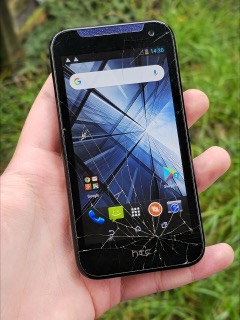 HTC Desire 310 (V1)Desire-Serie
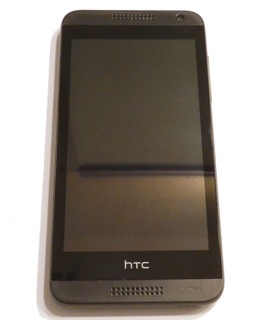 HTC Desire 610 (A3)Desire-Serie
Bereich: Weitere Reihen und Modelle · Modellkatalog: 2014