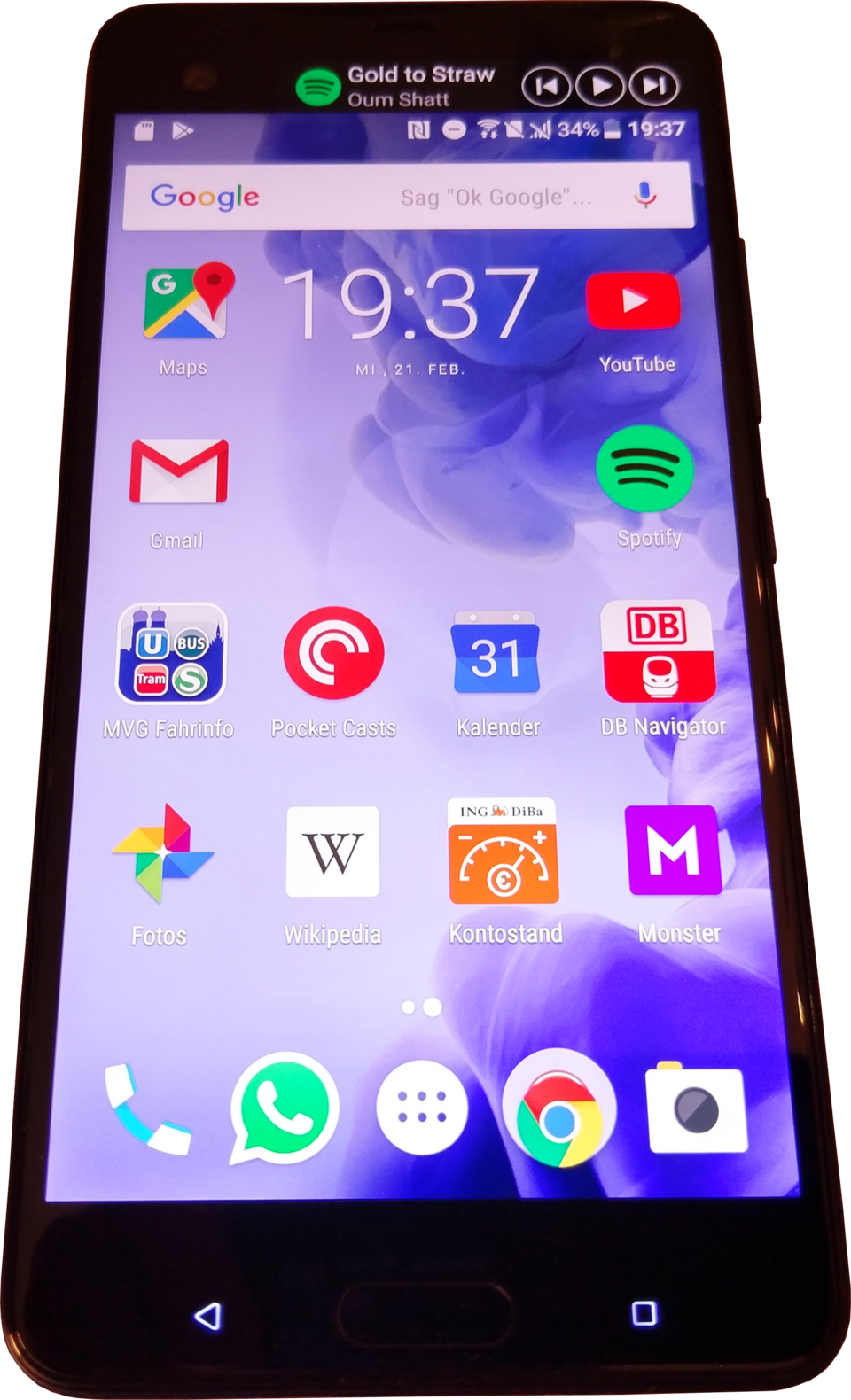
12. Januar 2017. Das erste Telefon der neuen U-Serie und das Debüt des Glasdesigns „Liquid Surface“ (schillernde Farben Sapphire Blue, Brilliant Black, Ice White, Cosmetic Pink). 5,7" QHD Super LCD5 plus ein zweites 2,05"-Display mit 160×1040 über dem Hauptdisplay (Benachrichtigungen, Verknüpfungen, Kontakte – wie beim LG V20), Snapdragon 821 (zum Marktstart bereits veraltet), 4 GB, 64 GB + microSD (128 GB bei der Saphir-Version), 12 MP UltraPixel 2 mit OIS und Laser-/Phasen-AF, 16-MP-Frontkamera mit UltraPixel-Modus, BoomSound Hi-Fi, USonic-Kopfhörer mit USB-C und Hörprofilierung, ohne 3,5-mm-Anschluss, 3000 mAh, 170 g, HTC Sense Companion (KI-Assistent), 4 Mikrofone mit dauerhaft aktiver Spracherkennung. Android 7.0 → 8.0. Der Preis von 749 $ und das große Gehäuse lösten eine Welle der Kritik aus; die Verkäufe waren ein Debakel.
Technische Daten
| OS | Android 7.0 → 8.0 + HTC Sense 8 → 9 |
|---|---|
| Prozessor | Qualcomm Snapdragon 821 MSM8996 Pro, 4×2,15 GHz |
| RAM | 4 GB |
| Speicher | 64 GB + microSD (Saphir – 128 GB) |
| Display | 5,7" 2560×1440 Super LCD5 + zweites Display 2,05" 1040×160 |
| Kamera | 12 MP UltraPixel 2 f/1.8 OIS, 4K + 16-MP-Frontkamera |
| Audio | BoomSound Hi-Fi, USonic USB-C, ohne 3,5 mm |
| Biometrie | Fingerabdrucksensor auf der Vorderseite |
| Akku | 3000 mAh, Quick Charge 3.0 |
| Abmessungen | 162,4×79,8×8 mm, 170 g |
| Codename | Ocean Note |
Daten aus Wikipedia (en)
| Hersteller | HTC |
|---|---|
| Marke | HTC U |
| Serie | HTC U |
| Codename | U1 |
| Veröffentlicht | 2017-02 |
| Typ | Smartphone |
| Betriebssystem | Android "Nougat" 7.0; Android "Oreo" 8.0 with HTC Sense 8.0; Unofficial: Android 12 via LineageOS |
| SoC | Qualcomm Snapdragon 821 |
| Prozessor | Quad-core (2x2.15 GHz Kryo & 2x1.6 GHz Kryo) |
| GPU | Adreno 530 |
| RAM | 4 GB RAM |
| Speicher | 64 or 128 GB |
| Speicherkarte | MicroSD up to 2TB |
| Display | 5.7 inch Super LCD5 capacitive touchscreen with Corning Gorilla Glass 5 for the 64 GB model and Sapphire crystal glass for the 128 GB model.; 1440 × 2560 pixels (~513 ppi pixel density) |
| Hauptkamera | 12 MP, f/1.8, 26mm, OIS, laser & phase detection autofocus, dual-LED (dual tone) flash; 1/2.3 in. sensor size, 1.55μm pixel size, geo-tagging, touch focus, face detection, Auto-HDR, panorama |
| Frontkamera | 16 MP, 1080p, Auto-HDR |
| Audio | HTC USonic; HTC BoomSound™ Hi-Fi edition; 3D Audio recording with 4 microphones; Hi-Res audio stereo recording; Hi-Res audio certified |
| Konnektivität | Wi-Fi: 802.11 a/b/g/n/ac, dual-band, Wi-Fi Direct, DLNA, hotspot; Bluetooth: v4.2, A2DP, LE; GPS: Yes, with A-GPS, GLONASS, BDS; NFC: Yes; USB: v3.1, Type-C 1.0 reversible connector |
| Akku | Non-removable Li-Ion 3000 mAh battery |
| Abmessungen | 162.4 mm H ; 79.8 mm W ; 8 mm D |
| Gewicht | 170 g |
| Verwandt | HTC U Play ; HTC U11 |
| Website | Official website |
Aus Wikipedia
Das HTC U Ultra ist ein Android-basiertes Smartphone, das vom Hersteller HTC als Teil seiner U-Serie produziert und verkauft wird. Es ist seit dem 12. Januar 2017 in Deutschland verfügbar.
Quelle: HTC U Ultra — Wikipedia (CC BY-SA 4.0)
Wikipedia (en)
The HTC U Ultra is an Android-based smartphone manufactured and sold by HTC. It was released in February 2017. It was one of the first two devices in the new HTC U series.
Source: HTC U Ultra — Wikipedia (CC BY-SA 4.0)
Verwandte Modelle
Ebenfalls aus 2017
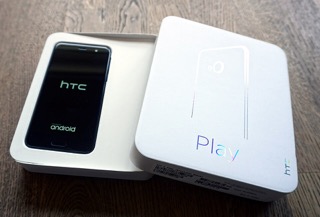 HTC U Play (Alpine)U-Serie
 HTC U11 (Ocean)U-SerieHTC U11 Life (Ocean Life)U-SerieHTC U11+ (Ocean Master)U-Serie
Bereich: Die HTC-U-Serie (2017–2024) · Modellkatalog: 2017