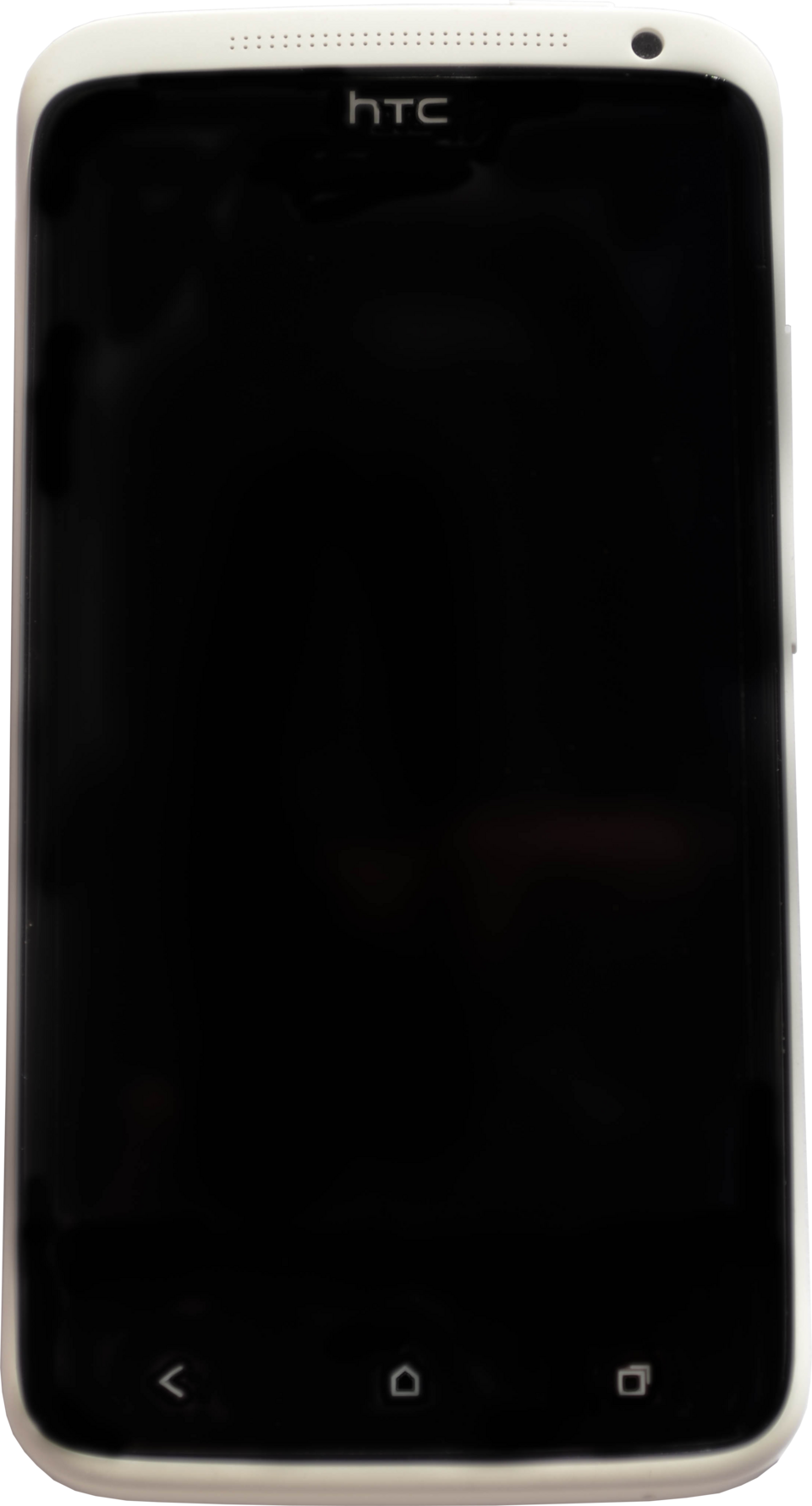
MWC, 26 lutego 2012 roku; sprzedaż od kwietnia. Flagowiec „nowej” HTC: biały lub szary poliwęglanowy unibody, 4,7" 720p Super LCD2 z Gorilla Glass, czterordzeniowy Nvidia Tegra 3 1,5 GHz (wersja międzynarodowa) lub dwurdzeniowy Snapdragon S4 1,5 GHz z LTE (One XL / AT&T One X), 1 GB RAM, 32 GB (16 w AT&T) bez microSD, 8 Mpx f/2.0 ImageSense z układem przetwarzania obrazu, przedni 1,3 Mpx, Beats Audio, NFC, bateria 1800 mAh niewymienna. Android 4.0 z Sense 4 → 4.2.2 z Sense 5. Zebrał znakomite recenzje i został „telefonem roku” według szeregu redakcji, ale sprzedaż podcięły opóźnienie celne w USA (pozew Apple) oraz Galaxy S III. One X+ (październik 2012) — Tegra 3 1,7 GHz, 64 GB, 2100 mAh, Android 4.1.
Specyfikacja
| System | Android 4.0 → 4.2.2 + HTC Sense 4 → 5 |
|---|---|
| Procesor | Nvidia Tegra 3 AP33, 4×1,5 GHz (XL: Snapdragon S4 MSM8960, 2×1,5 GHz) |
| RAM | 1 GB |
| Pamięć | 32 GB (AT&T — 16), bez microSD |
| Ekran | 4,7" 1280×720 Super LCD2, 312 ppi |
| Aparat | 8 Mpx f/2.0 BSI ImageSense, 1080p + 1,3 Mpx |
| Dźwięk | Beats Audio |
| Łączność | HSPA+ (XL — LTE), Wi-Fi n, Bluetooth 4.0, NFC, MHL |
| Bateria | 1800 mAh, niewymienna |
| Wymiary | 134,4×69,9×8,9 mm, 130 g |
| Nazwa kodowa | Endeavor (X) / Evita (XL) |
Dane z Wikipedii (en)
| Producent | HTC Corporation |
|---|---|
| Seria | HTC One |
| Nazwa kodowa | Endeavor; EndeavorU |
| Typ | Smartphone |
| Konstrukcja | Slate |
| System | Android 4.0.3 Ice Cream Sandwich with HTC Sense 4 (upgradable to Android 4.2.2 Jelly Bean with HTC Sense 5) |
| SoC | Nvidia Tegra 3 T30 |
| Procesor | 1.5 GHz quad-core ARM Cortex-A9 MPCore |
| GPU | Nvidia ULP GeForce 520 MHz |
| RAM | 1 GB RAM |
| Pamięć | 32(26) GB; 16(10) GB available for user; 2 GB reserved for applications |
| Karta pamięci | None |
| Ekran | 4.7 in Super LCD 2 with RGB matrix; 1280×720p pixels (16:9 Aspect ratio) (312 ppi); Corning Gorilla Glass 2.0 |
| Aparat tylny | 8-megapixel camera with auto focus, smart LED flash, BSI sensor, F2.0 aperture, 28mm lens, dedicated imaging chip, continuous shooting.; 1080p HD video recording, video stabilization, slow motion video capture (768 × 432 pixels). |
| Aparat przedni | 1.3-megapixel front camera (720p for recording and video chat) |
| Łączność | 2G (GSM/GPRS/EDGE): 850/900/1,800/1,900 MHz; 3G (UMTS/HSPA/HSPA+): 850/900/1,900/2,100 MHz; Wi-Fi: 2.4/5.0 GHz, 802.11a/b/g/n; NFC with Android Beam; Bluetooth: 4.0 with aptX; DLNA ; Wi-Fi Direct ; Wi-Fi Hotspot ; microUSB 2.0 with support for USB OTG |
| Bateria | 1,800 mAh Li-Polymer |
| Wymiary | 134.36 mm H ; 69.9 mm W ; 8.9 mm D |
| Waga | 130 g |
| SAR | 0.68 W/Kg@10g (Head); 0.70 W/Kg@10g (Body) |
| Poprzednik | HTC Sensation, HTC Sensation XL |
| Następca | HTC One (M7) |
| Powiązane | HTC One S, HTC One V, HTC Evo 4G LTE |
| Inne | accelerometer, gyrometer, digital compass, proximity sensor, ambient light sensor |
Z Wikipedii
HTC One X – smartfon firmy HTC we współpracy z Nvidią z czterordzeniowym procesorem zaprezentowany w pierwszym kwartale 2012 roku na targach Mobile World Congress 2012 w Barcelonie.
Źródło: HTC One X — Wikipedia (CC BY-SA 4.0)
Wikipedia (en)
The HTC One X is a touchscreen-based, slate-sized smartphone designed and manufactured by HTC. It was released running Android 4.0.3, with the HTC Sense 4.0 skin. The NVIDIA powers the One X Tegra 3 for most international GSM carriers, making this the first HTC phone to be equipped with a quad-core processor, while a variant which is LTE capable is powered by the Qualcomm Snapdragon S4 dual-core 1.5 GHz Krait processor. The One X was announced on February 26, 2012, at the Mobile World Congress and was HTC's sixth flagship product, leading the HTC One series from the time of its release through April 2013, when its successor the HTC One (M7) was announced.
Source: HTC One X — Wikipedia (CC BY-SA 4.0)