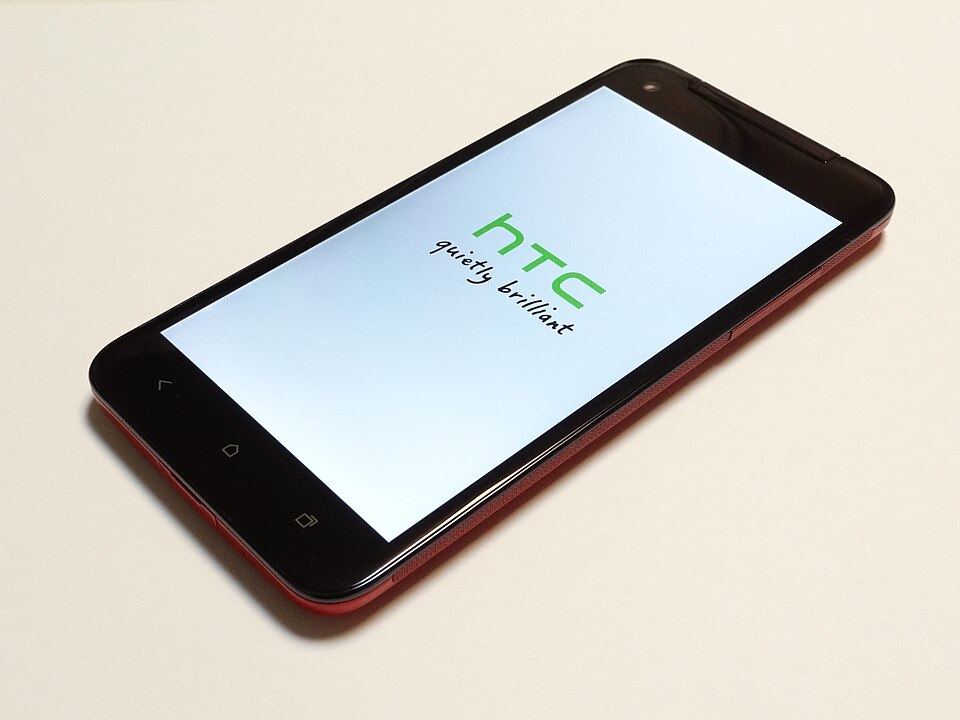
Pierwszy na świecie smartfon z 5-calowym ekranem Full HD 1080p (Super LCD3, 441 ppi). Zadebiutował najpierw w Japonii jako HTC J Butterfly HTL21 (au, październik 2012, z wodoodpornością), potem w USA jako Verizon Droid DNA (21 listopada 2012, 199 USD) oraz w Azji i Europie jako HTC Butterfly (grudzień 2012). Snapdragon S4 Pro APQ8064 1,5 GHz (4 rdzenie), 2 GB RAM, 16 GB (Butterfly — + microSD), 8 Mpx f/2.0 ImageSense, przedni 2,1 Mpx 88°, Beats ze wzmacniaczem, 2020 mAh, ładowanie bezprzewodowe (DNA), Android 4.1 z Sense 4+ → 4.4 z Sense 5.5. Czerwone boczne kratki, 140 g, 9,1 mm. Udowodnił, że format 5" ma rację bytu.
Specyfikacja
| System | Android 4.1 → 4.4 + HTC Sense 4+ → 5.5 |
|---|---|
| Procesor | Qualcomm Snapdragon S4 Pro APQ8064, 4×1,5 GHz |
| RAM | 2 GB |
| Pamięć | 16 GB (Butterfly — + microSD) |
| Ekran | 5,0" 1920×1080 Super LCD3, 441 ppi |
| Aparat | 8 Mpx f/2.0 ImageSense, bez OIS, 1080p + 2,1 Mpx 88° |
| Dźwięk | Beats Audio, wzmacniacz |
| Sieci | LTE (DNA — Verizon CDMA/LTE) |
| Bateria | 2020 mAh (DNA — ładowanie bezprzewodowe Qi) |
| Wymiary | 141×71×9,1 mm, 140 g |
| Nazwa kodowa | Deluxe (DLX) |
Dane z Wikipedii (en)
| Producent | HTC |
|---|---|
| Wycofany | 2013-06 |
| Konstrukcja | Bar |
| System | Android 4.1 "Jelly Bean" |
| SoC | Snapdragon S4 Pro |
| Procesor | Quad-core 1.5 GHz "Krait" APQ8064 processor |
| RAM | 2 GB RAM |
| Pamięć | 16 GB internal |
| Karta pamięci | Expandable up to 32 GB with microSD (J Butterfly only) |
| Ekran | 5 inch "Super LCD 3" display; 1920×1080 pixels (441 ppi) |
| Aparat tylny | 8 MP, FullHD 1080p video recording at 30 FPS with re-invented zoom |
| Aparat przedni | 2.1 MP, HD 720p video recording at 30 FPS |
| Łączność | Bluetooth 4.0, WiFi, NFC, DLNA, FeliCa, infrared |
| Sieci | Droid DNA: dual-band CDMA2000; EV-DO Rev. A; 800 1900 MHz; LTE 700 MHz; quad-band GSM, UMTS 850 900 1900 2100 MHz; J Butterfly: quad-band GSM, UMTS 850 900 1900 2100 MHz, LTE |
| Bateria | 2020 mAh |
| Wymiary | 143 mm H; W; D |
| Waga | 140 g (HTC Droid DNA) |
| Strona | (HTL21) http://www.htc.com/jp/smartphones/htl21; (X920d) http://www.htc.com/www/smartphones/htc-butterfly; (DNA) http://www.htc.com/us/smartphones/droid-dna-by-htc; (X920e) http://www.htc.com/cn/smartphones/htc-butterfly |
Z Wikipedii
HTC J Butterfly, HTC Droid – smartfon zaprojektowany i rozwijany przez tajwańską firmę HTC, następca HTC J. Zaprezentowany został 17 października 2012 roku przez japońskiego dostawcę KDDI, oficjalna premiera miała miejsce w Japonii 9 grudnia 2012. Jest to drugi na świecie telefon z wyświetlaczem o rozdzielczości 1080p, po modelu Oppo's Find 5.
Źródło: HTC J Butterfly — Wikipedia (CC BY-SA 4.0)
Wikipedia (en)
The HTC Butterfly is an Android-based, 4G LTE-capable smartphone designed and developed by HTC. First announced for release in Japan by Japanese carrier KDDI as the HTC J Butterfly (HTL21), the J Butterfly was released in Japan on 9 December 2012 as the successor to the HTC J. Outside Japan, in other Asian countries, the phone was released as the HTC Butterfly (X920d) and in China and Russia as the HTC Butterfly (X920e). The Chinese/Russian and US versions of the Butterfly do not have a microSD slot. In the United States, the Butterfly was released as the HTC Droid DNA as a Verizon exclusive, supporting wireless charging. The DNA would become Verizon's final non-Motorola Droid smartphone; following its replacement in August 2013 by the HTC One and Droid Maxx, the carrier announced that all future Droid phones would be built exclusively by Motorola. In June 2013, the Butterfly was succeeded by the HTC Butterfly S.
Source: HTC Butterfly — Wikipedia (CC BY-SA 4.0)
Powiązane modele
Również w 2012 r.
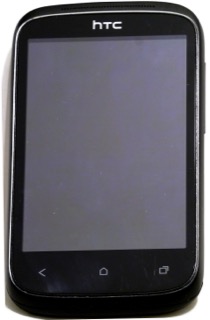 HTC Desire C (Golf)Seria Desire
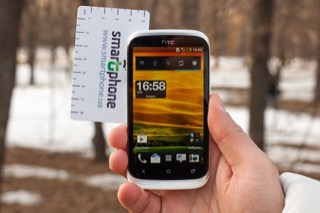 HTC Desire V / Desire VC (Primo DS)Seria Desire
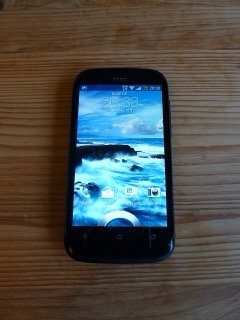 HTC Desire X (Proto)Seria Desire
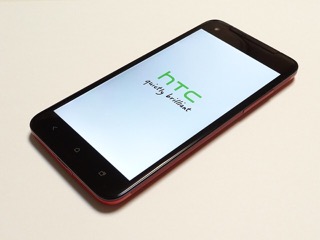 HTC Droid DNA (Verizon)Butterfly
Dział: Inne linie i modele · Katalog modeli: 2012