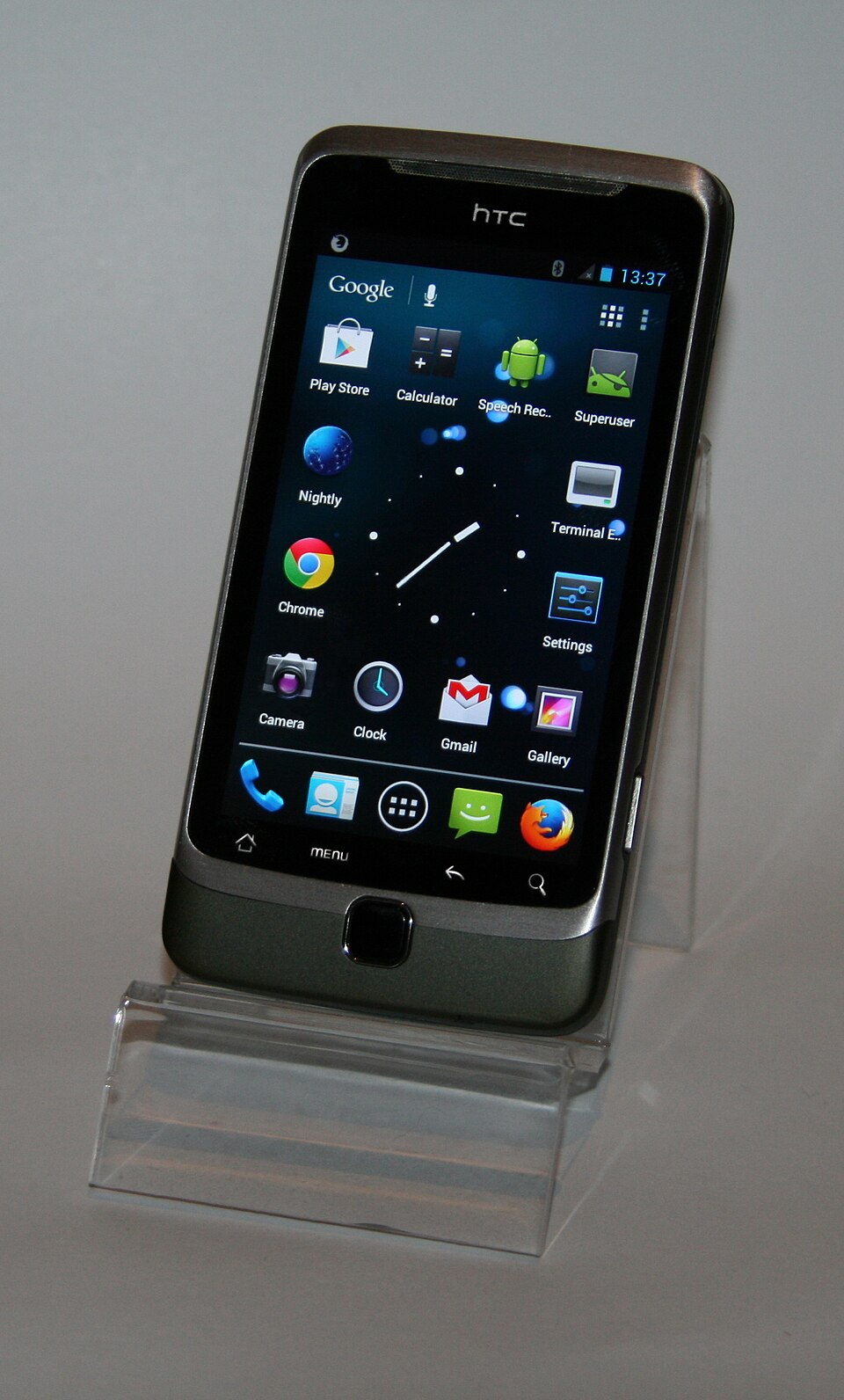
Settembre 2010. Smartphone QWERTY con la caratteristica cerniera a Z (Z-hinge), tastiera a 4 file con tasti programmabili, Super LCD WVGA da 3,7", Snapdragon MSM7230 a 800 MHz (il primo Scorpion a 45 nm), 512 MB di RAM, 5 MP con 720p, scocca in alluminio, Android 2.2 → 2.3 con Sense 2.0. 180 g. Negli Stati Uniti: T-Mobile G2 (ottobre 2010) con Android puro e HSPA+. La cerniera del G2 fu criticata per il gioco.
Caratteristiche
| SO | Android 2.2 → 2.3 + HTC Sense (G2: Android puro) |
|---|---|
| Processore | Qualcomm MSM7230, 800 MHz |
| RAM | 512 MB |
| ROM | 1,5 GB, microSD |
| Display | 3,7" WVGA Super LCD |
| Tastiera | QWERTY a 4 file, Z-hinge |
| Fotocamera | 5 MP AF, LED, 720p |
| Batteria | 1300 mAh |
| Peso | 180 g |
| Nome in codice | Vision |
Dati da Wikipedia (en)
| Produttore | HTC Corporation |
|---|---|
| Serie | A Series |
| Nome in codice | HTC Vision |
| Disponibilità | 1 November 2010 (Europe and Canada) |
| Formato | Slate slider smartphone |
| SO | Original: Android 2.2.1 Froyo; Last: Android 2.3.3 "Gingerbread" |
| SoC | Qualcomm Snapdragon MSM7230 |
| Processore | ARMv7 800 MHz Scorpion |
| GPU | Adreno 205 |
| RAM | 512 MB RAM |
| Memoria | 1.5 GB Flash |
| Scheda di memoria | microSD (SD 2.0 compatible) |
| Display | 3.7-inch 800 × 480 WVGA Super LCD capacitive touchscreen@ 252 ppi |
| Fotocamera posteriore | 5-megapixel autofocus with LED flash, face detection, geotagging |
| Connettività | 3.5 mm stereo jack, micro-USB hi-speed, Bluetooth 2.1, IEEE 802.11 b/g/n |
| Reti | 900/2100 or 850/1900 MHz HSPA/WCDMA, 850/900/1800/1900 MHz GSM |
| Input | Multi-touch with HTC Sense 2.1 interface, QWERTY keyboard, 3-axis accelerometer, digital compass, proximity and ambient light sensors |
| Batteria | 1300 mAh Lithium-ion |
| Dimensioni | 119 × 60.4 × 14.16 mm |
| Peso | 180 g |
| Predecessore | HTC Dream (T-Mobile G1) |
| Altro | Proximity sensor, accelerometer, FM Radio, Facebook, Twitter, MS Exchange, compass, GPS, A-GPS, Google turn-by-turn navigation, Flash 10.1 enabled, upgradable to Flash 10.3 |
Da Wikipedia
L'HTC Desire Z è uno smartphone prodotto da HTC Corporation. È stato annunciato il 15 settembre 2010 ed è distribuito in Europa e in Canada il 1º novembre 2010, dopo qualche ritardo legato ai test qualitativi di Google. L'HTC Desire Z presenta delle caratteristiche simili agli HTC Desire e HTC Desire HD: la differenza più evidente è la presenza di una tastiera full-qwerty sul Desire Z. Inoltre l'HTC Desire Z presenta 4 pulsanti a sfioramento, al posto dei 4 fisici dell'HTC Desire. Entrambi questi 2 terminali, a differenza della versione HD, presentano un pad ottico.
Fonte: HTC Desire Z — Wikipedia (CC BY-SA 4.0)
Wikipedia (en)
The HTC Desire Z is a slider-style smartphone developed by HTC Corporation and announced on 15 September 2010. It was released in Europe and Canada in November 2010, following a number of delays related to Google's quality assurance tests. Other than its slider configuration, the Desire Z features specifications similar to the HTC Desire and the HTC Desire HD. The design of the HTC Desire Z has capacitive face buttons rather than the mechanical ones the HTC Desire features.
Source: HTC Desire Z — Wikipedia (CC BY-SA 4.0)
Modelli correlati
Anche nel 2010
 HTC 7 MozartWindows Phone
 HTC 7 Pro / HTC Arrive (Sprint)Windows Phone
 HTC 7 SurroundWindows Phone
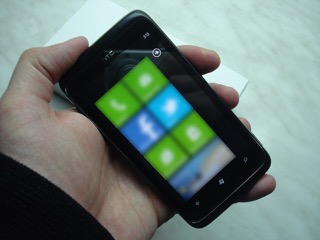 HTC 7 Trophy / Verizon TrophyWindows Phone
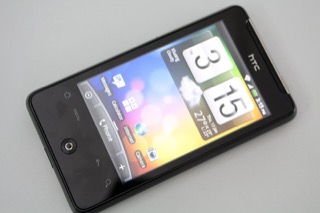 HTC Aria (Liberty) / HTC GratiaPrimi Android
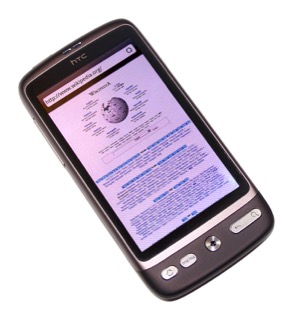 HTC Desire (Bravo)Serie Desire
Sezione: Serie HTC Desire (2010–2024) · Catalogo modelli: 2010