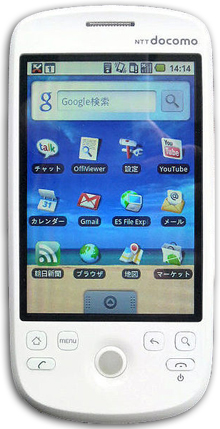
Das zweite Android-Smartphone und das erste ohne Hardware-Tastatur (Codename Sapphire). Vodafone in Europa ab April 2009, T-Mobile myTouch 3G in den USA ab August 2009 (mit Hüllen und Gravur), das Google Ion wurde auf der Google I/O 2009 verteilt. 3,2" HVGA, MSM7201A mit 528 MHz, 288 MB RAM (192 bei den frühen), 3,2 MP, Trackball, Android 1.5 Cupcake → 2.2 (myTouch). Das myTouch 3G 1.2 ist eine Version mit 3,5-mm-Anschluss; das myTouch 3G Slide (2010, Espresso) hat eine Tastatur und Sense.
Technische Daten
| OS | Android 1.5 (Cupcake) → 2.2 |
|---|---|
| Prozessor | Qualcomm MSM7201A, 528 MHz |
| RAM | 192 / 288 MB |
| ROM | 512 MB, microSD |
| Display | 3,2" HVGA 320×480 |
| Kamera | 3,2 MP AF |
| Konnektivität | HSDPA, Wi-Fi, Bluetooth 2.0, GPS |
| Akku | 1340 mAh |
| Gewicht | 118 g |
| Codename | Sapphire |
Daten aus Wikipedia (en)
| Hersteller | HTC |
|---|---|
| Marke | HTC ; NTT DoCoMo ; T-Mobile |
| Verfügbarkeit | Spain 2009-04-27 ; Taiwan 2009-05 ; Canada 2009-06-02 (Rogers Wireless) Hong Kong, Netherlands, Singapore 2009-06 ; United States 2009-07-29 (T-Mobile USA) Chile 2010-01-28 |
| Typ | Smartphone |
| Bauform | Slate |
| Betriebssystem | Original: Android 1.5 "Cupcake" ; Current: Android 2.2.1 "Froyo"; Unofficial: Android 2.3.3 "Gingerbread" |
| Prozessor | PVT32A 528 MHz Qualcomm MSM7200A ARM11 ; PVT32B 528 MHz Qualcomm MSM7201A ARM11 |
| RAM | PVT32A 288 MB RAM ; PVT32B 192 MB RAM |
| Speicher | 512 MB ROM |
| Speicherkarte | microSD (supports up to 16 GB) |
| Display | 320 x 480 px, 3.2 in, HVGA, 65,536 color LCD at 180 pixels per inch (PPI) |
| Hauptkamera | 3.2 megapixel, autofocus |
| Konnektivität | Bluetooth 2.1 + EDR with A2DP ; HTC ExtUSB ; Wi-Fi 802.11b/g |
| Netze | GSM/GPRS/EDGE 850 900 1800 1900 MHz ; WCDMA/UMTS 900 1700 2100 MHz ; HSDPA 7.2 Mbit/s ; HSUPA 2 Mbit/s |
| Eingabe | Multi-touch capacitive touchscreen ; 3-axis accelerometer ; A-GPS ; Push buttons ; Trackball |
| Akku | 1340 mAh, 3.7 V ; Internal Rechargeable Li-ion ; User-replaceable |
| Abmessungen | 113 mm H ; 55.56 mm W ; 13.65 mm D |
| Gewicht | 116 g |
| SAR | Head: 0.783 W/kg 1 g; Body: 0.973 W/kg 1 g; Hotspot: - |
| Vorgänger | HTC Dream |
| Nachfolger | HTC Hero |
Aus Wikipedia
Das HTC Magic ist nach dem HTC Dream das zweite Seriengerät mit dem Betriebssystem Android. Der wesentliche Unterschied zwischen den beiden Smartphones ist, dass das HTC Magic keine ausziehbare konventionelle Tastatur hat. Deshalb fällt das HTC Magic flacher und leichter aus.
Quelle: HTC Magic — Wikipedia (CC BY-SA 4.0)
Wikipedia (en)
The HTC Magic is an Android smartphone designed and manufactured by HTC. It is HTC's second Android phone after HTC Dream, HTC's first touch-only flagship Android device and the second Android phone commercially released, as well as the first Android phone without a keyboard.
Source: HTC Magic — Wikipedia (CC BY-SA 4.0)
Verwandte Modelle
Ebenfalls aus 2009
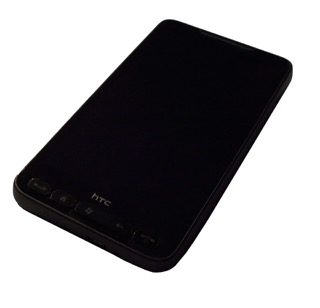 HTC HD2 (Leo)Windows Mobile
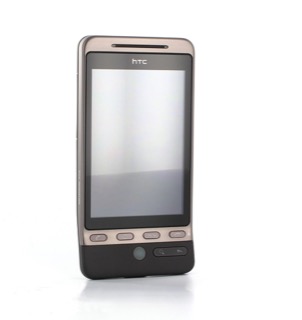 HTC Hero / Sprint Hero / T-Mobile G2 TouchFrühes Android
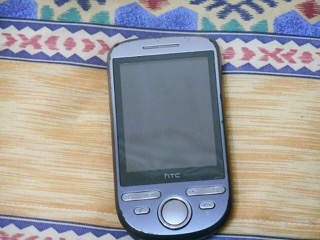 HTC Tattoo (Click)Frühes Android
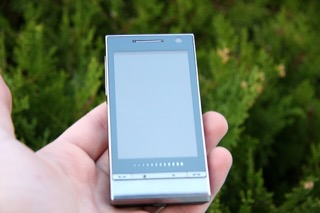 HTC Touch Diamond2 (Topaz)Windows Mobile
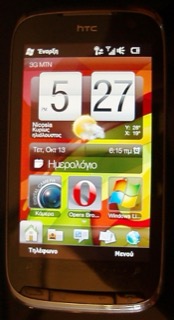 HTC Touch Pro2 (Rhodium)Windows Mobile
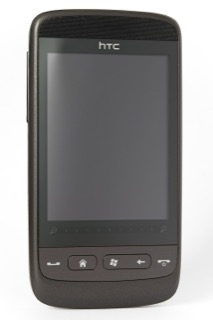 HTC Touch2 (Mega)Windows Mobile
Bereich: Das frühe Android (2008–2011) · Modellkatalog: 2009