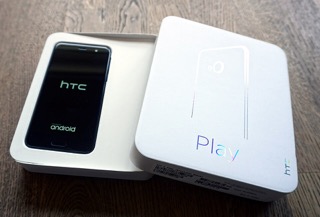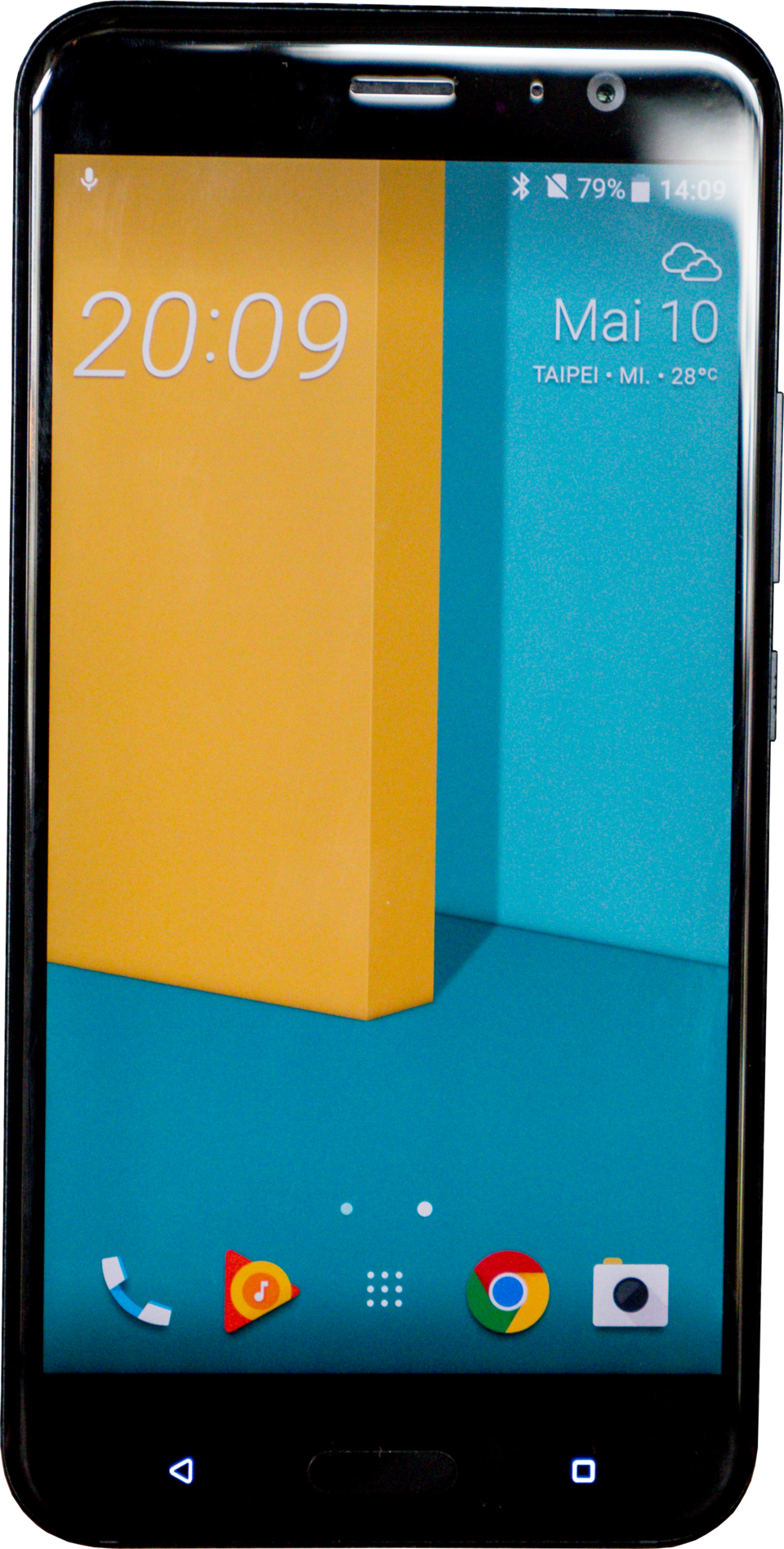
2 listopada 2017 roku. Powiększony U11 z ekranem 6,0" QHD+ 18:9 Super LCD6 — pierwszy „bezramkowy” HTC, bateria 3930 mAh, czytnik linii papilarnych przeniesiony na plecy, Snapdragon 835, 4/6 GB, 64/128 GB + microSD, 12 Mpx UltraPixel 3 z OIS + przedni 8 Mpx, Edge Sense, IP68, BoomSound Hi-Fi, USonic. Początkowo powstawał jako Google Pixel 2 XL (nazwa kodowa muskie), ale Google wybrało wersję od LG. Cecha szczególna — półprzezroczyste plecki Translucent Black z widocznym wnętrzem. W USA niesprzedawany. Android 8.0 → 9.0.
Specyfikacja
| System | Android 8.0 → 9.0 + HTC Sense 9 → 10 |
|---|---|
| Procesor | Qualcomm Snapdragon 835, 8 rdzeni |
| RAM | 4 / 6 GB |
| Pamięć | 64 / 128 GB + microSD |
| Ekran | 6,0" 2880×1440 Super LCD6 18:9, Gorilla Glass 5 |
| Aparat | 12 Mpx UltraPixel 3 OIS + 8 Mpx |
| Cechy szczególne | Edge Sense, IP68, Translucent Black |
| Dźwięk | BoomSound Hi-Fi, USonic, bez 3,5 mm |
| Biometria | czytnik linii papilarnych na tyle |
| Bateria | 3930 mAh, QC 3.0 |
| Wymiary | 158,5×74,9×8,5 mm, 188 g |
| Nazwa kodowa | Ocean Master / muskie |
Dane z Wikipedii (en)
| Producent | HTC |
|---|---|
| Seria | HTC U |
| Premiera | U11: 2017-06; U11+: 2017-11 |
| Typ | Smartphone |
| System | U11: Android 7.1 "Nougat" with HTC Sense 9.0; Android 8.0 "Oreo" with HTC Sense 9.0 (without Treble); Android 9.0 "Pie"; U11+: Android 8.0 "Oreo" (with Treble); Android 9 "Pie" |
| SoC | Qualcomm Snapdragon 835 |
| Procesor | Octa-core (4× & 4×) Kryo |
| GPU | Adreno 540 |
| RAM | 4 or LPDDR4X RAM |
| Pamięć | 64 or |
| Karta pamięci | microSD up to |
| Ekran | U11: Super LCD5 capacitive touchscreen with Corning Gorilla Glass 5, 2560×1440 resolution (~534 ppi pixel density); U11+: Super LCD6 capacitive touchscreen with Corning Gorilla Glass 5, 2880×1440 resolution (~538 ppi pixel density) |
| Aparat tylny | 12 MP (), f/1.7, OIS, UltraSpeed autofocus, dual-LED (dual tone) flash, geo-tagging, touch focus, face detection, auto-HDR, panorama |
| Aparat przedni | U11: , 1080p, auto-HDR; U11+: , 1080p, auto-HDR |
| Dźwięk | HTC BoomSound Hi-Fi edition speakers; HTC USonic with Active Noise Cancellation; 3D Audio recording with 4 microphones; Hi-Res audio stereo recording; Hi-Res audio certified |
| Łączność | Wi-Fi: 802.11 a/b/g/n/ac, dual-band, Wi-Fi Direct, DLNA, hotspot; Bluetooth: v4.2, A2DP, LE; GPS: Yes, with A-GPS, GLONASS, BDS; NFC: Yes; USB: v3.1, Type-C 1.0 reversible connector (supports DisplayPort) |
| Sterowanie | Capacitive touch screen ; Edge Sense |
| Bateria | U11: 3,000 mAh Li-ion; U11+: 3,930 mAh Li-ion |
| Wymiary | U11: 153.9 mm H ; 75.9 mm W ; 7.9 mm D; U11+: 158.5 mm H ; 74.9 mm W ; 8.5 mm D |
| Waga | U11: 169 g; U11+: 188 g |
| Poprzednik | HTC 10 |
| Następca | HTC U12+ |
| Powiązane | HTC U Play, HTC U Ultra |
| Inne | U11: IP67 protection; U11+: IP68 protection |
Wikipedia (en)
The HTC U11 is an Android smartphone manufactured and sold by HTC as part of the HTC U series. It was announced on 16 May 2017 and succeeds the HTC 10 smartphone. In the United States, the HTC U11's major carrier is Sprint; however, it is also compatible with unlocked carriers, such as AT&T, T-Mobile, and Verizon.
Source: HTC U11 — Wikipedia (CC BY-SA 4.0)