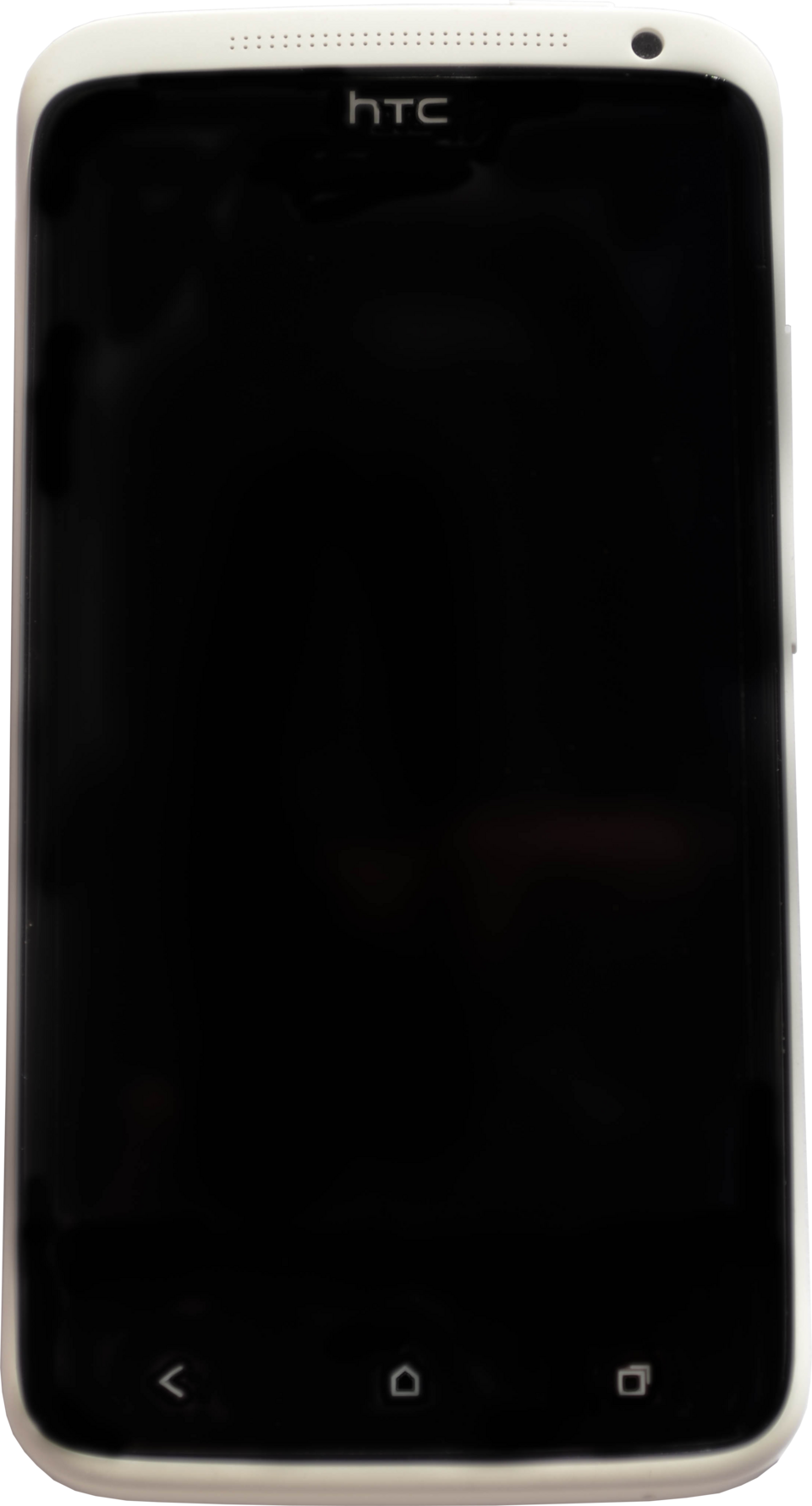
MWC, 26 de fevereiro de 2012; vendas a partir de abril. O carro-chefe da "nova" HTC: unibody de policarbonato branco ou cinza, Super LCD2 de 4,7" 720p com Gorilla Glass, Nvidia Tegra 3 quad-core de 1,5 GHz (versão internacional) ou Snapdragon S4 dual-core de 1,5 GHz com LTE (One XL / AT&T One X), 1 GB de RAM, 32 GB (16 na AT&T) sem microSD, 8 MP f/2.0 ImageSense com chip de processamento, frontal de 1,3 MP, Beats Audio, NFC, 1800 mAh não removível. Android 4.0 com Sense 4 → 4.2.2 com Sense 5. Recebeu críticas excelentes e foi eleito "telefone do ano" por vários veículos, mas as vendas foram minadas pelo atraso alfandegário nos EUA (ação da Apple) e pelo Galaxy S III. O One X+ (outubro de 2012) — Tegra 3 de 1,7 GHz, 64 GB, 2100 mAh, Android 4.1.
Especificações
| SO | Android 4.0 → 4.2.2 + HTC Sense 4 → 5 |
|---|---|
| Processador | Nvidia Tegra 3 AP33, 4×1,5 GHz (XL: Snapdragon S4 MSM8960, 2×1,5 GHz) |
| RAM | 1 GB |
| Armazenamento | 32 GB (AT&T — 16), sem microSD |
| Tela | 4,7" 1280×720 Super LCD2, 312 ppi |
| Câmera | 8 MP f/2.0 BSI ImageSense, 1080p + 1,3 MP |
| Som | Beats Audio |
| Conectividade | HSPA+ (XL — LTE), Wi-Fi n, Bluetooth 4.0, NFC, MHL |
| Bateria | 1800 mAh, não removível |
| Dimensões | 134,4×69,9×8,9 mm, 130 g |
| Codinome | Endeavor (X) / Evita (XL) |
Dados da Wikipedia (en)
| Fabricante | HTC Corporation |
|---|---|
| Série | HTC One |
| Codinome | Endeavor; EndeavorU |
| Tipo | Smartphone |
| Formato | Slate |
| SO | Android 4.0.3 Ice Cream Sandwich with HTC Sense 4 (upgradable to Android 4.2.2 Jelly Bean with HTC Sense 5) |
| SoC | Nvidia Tegra 3 T30 |
| Processador | 1.5 GHz quad-core ARM Cortex-A9 MPCore |
| GPU | Nvidia ULP GeForce 520 MHz |
| RAM | 1 GB RAM |
| Armazenamento | 32(26) GB; 16(10) GB available for user; 2 GB reserved for applications |
| Cartão de memória | None |
| Tela | 4.7 in Super LCD 2 with RGB matrix; 1280×720p pixels (16:9 Aspect ratio) (312 ppi); Corning Gorilla Glass 2.0 |
| Câmera traseira | 8-megapixel camera with auto focus, smart LED flash, BSI sensor, F2.0 aperture, 28mm lens, dedicated imaging chip, continuous shooting.; 1080p HD video recording, video stabilization, slow motion video capture (768 × 432 pixels). |
| Câmera frontal | 1.3-megapixel front camera (720p for recording and video chat) |
| Conectividade | 2G (GSM/GPRS/EDGE): 850/900/1,800/1,900 MHz; 3G (UMTS/HSPA/HSPA+): 850/900/1,900/2,100 MHz; Wi-Fi: 2.4/5.0 GHz, 802.11a/b/g/n; NFC with Android Beam; Bluetooth: 4.0 with aptX; DLNA ; Wi-Fi Direct ; Wi-Fi Hotspot ; microUSB 2.0 with support for USB OTG |
| Bateria | 1,800 mAh Li-Polymer |
| Dimensões | 134.36 mm H ; 69.9 mm W ; 8.9 mm D |
| Peso | 130 g |
| SAR | 0.68 W/Kg@10g (Head); 0.70 W/Kg@10g (Body) |
| Antecessor | HTC Sensation, HTC Sensation XL |
| Sucessor | HTC One (M7) |
| Relacionados | HTC One S, HTC One V, HTC Evo 4G LTE |
| Outros | accelerometer, gyrometer, digital compass, proximity sensor, ambient light sensor |
Wikipedia (en)
The HTC One X is a touchscreen-based, slate-sized smartphone designed and manufactured by HTC. It was released running Android 4.0.3, with the HTC Sense 4.0 skin. The NVIDIA powers the One X Tegra 3 for most international GSM carriers, making this the first HTC phone to be equipped with a quad-core processor, while a variant which is LTE capable is powered by the Qualcomm Snapdragon S4 dual-core 1.5 GHz Krait processor. The One X was announced on February 26, 2012, at the Mobile World Congress and was HTC's sixth flagship product, leading the HTC One series from the time of its release through April 2013, when its successor the HTC One (M7) was announced.
Source: HTC One X — Wikipedia (CC BY-SA 4.0)
Modelos relacionados
Também em 2012
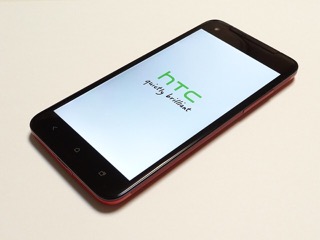 HTC Butterfly / J Butterfly / Droid DNA (Deluxe)Butterfly
 HTC Desire C (Golf)Série Desire
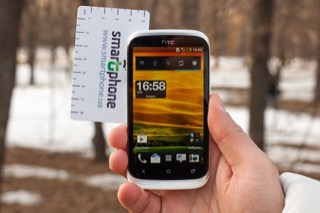 HTC Desire V / Desire VC (Primo DS)Série Desire
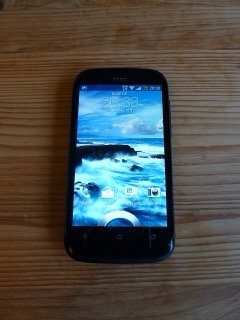 HTC Desire X (Proto)Série DesireHTC Droid DNA (Verizon)Butterfly
Seção: Série HTC One (2012–2016) · Catálogo de modelos: 2012